Eating without microplastics?
Eating without microplastics?
Eating without
microplastics?
// Bachelor's Thesis Communication Design // Finn Sigg and Jan Lauer
// Bachelor's Thesis Communication Design
// Finn Sigg and Jan Lauer
Eating without microplastics? Almost impossible. Micro and nanoplastics have long been a permanent part of our diet - in food, packaging, and even in the kitchen. It's hard to avoid them. However, we can learn to deal with them consciously in our everyday lives.
Eating without microplastics? Almost impossible. Micro and nanoplastics have long been a permanent part of our diet - in food, packaging, and even in the kitchen. It's hard to avoid them. However, we can learn to deal with them consciously in our everyday lives.
Eating without microplastics? Almost impossible. Micro and nanoplastics have long been a permanent part of our diet - in food, packaging, and even in the kitchen. It's hard to avoid them. However, we can learn to deal with them consciously in our everyday lives.
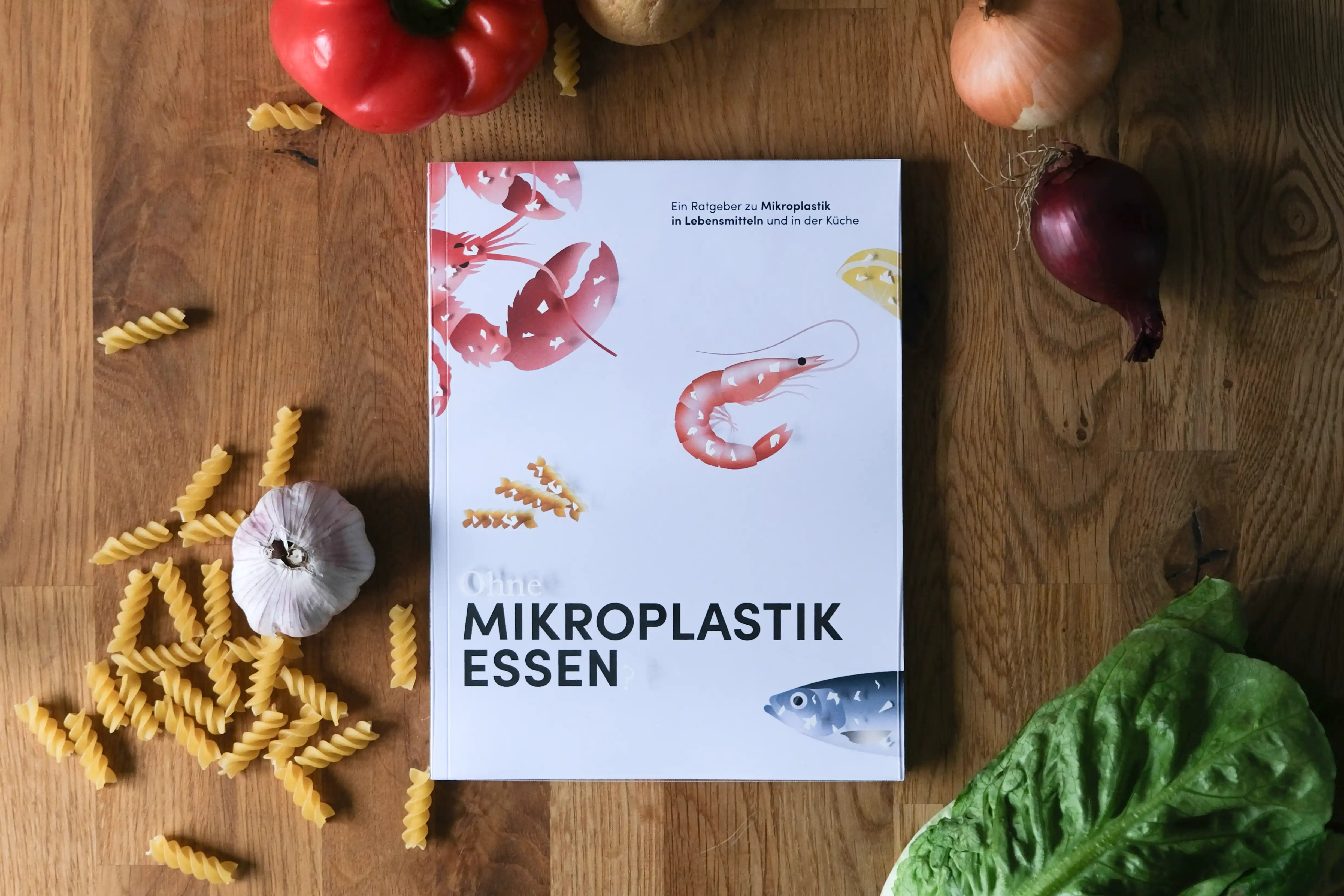
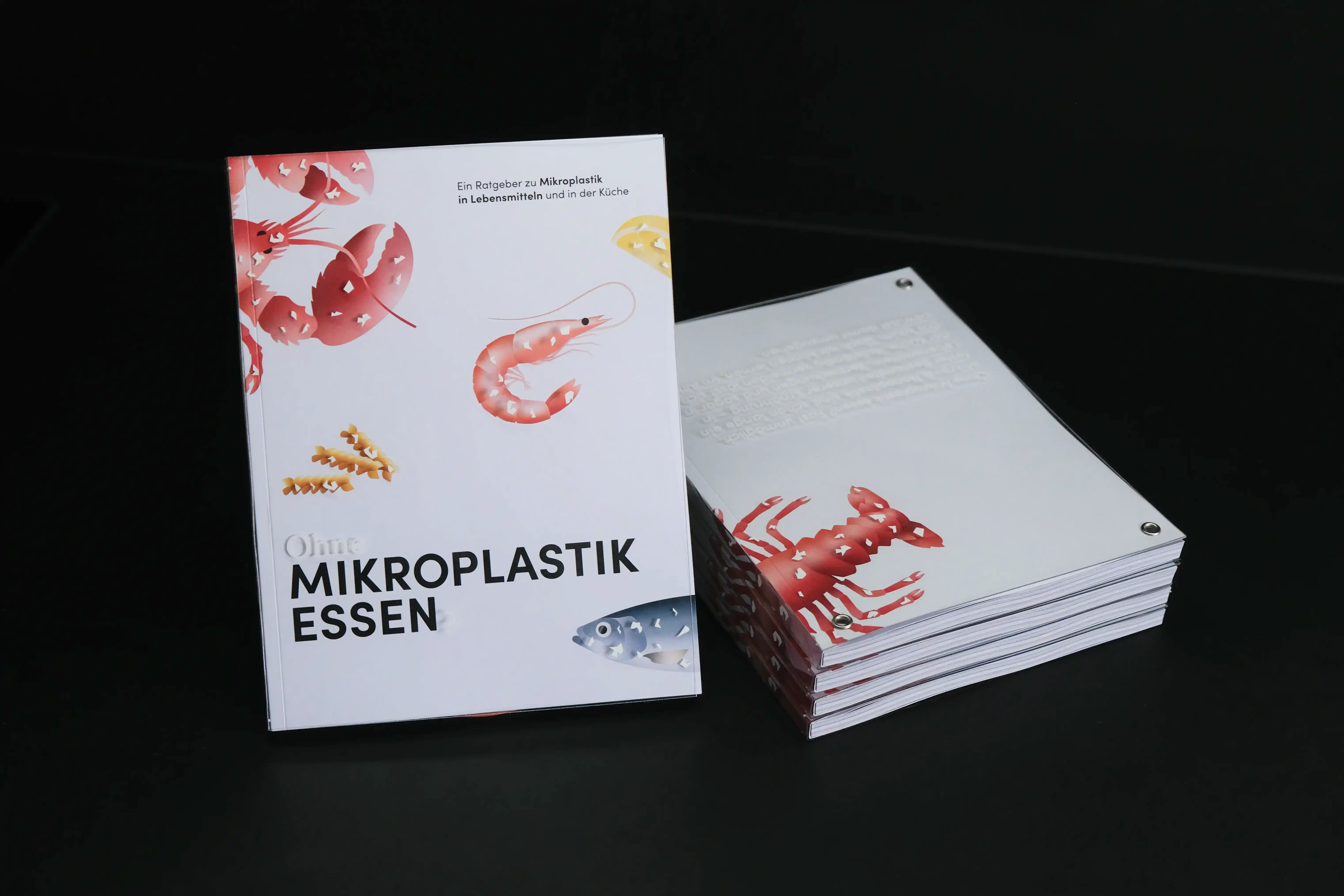
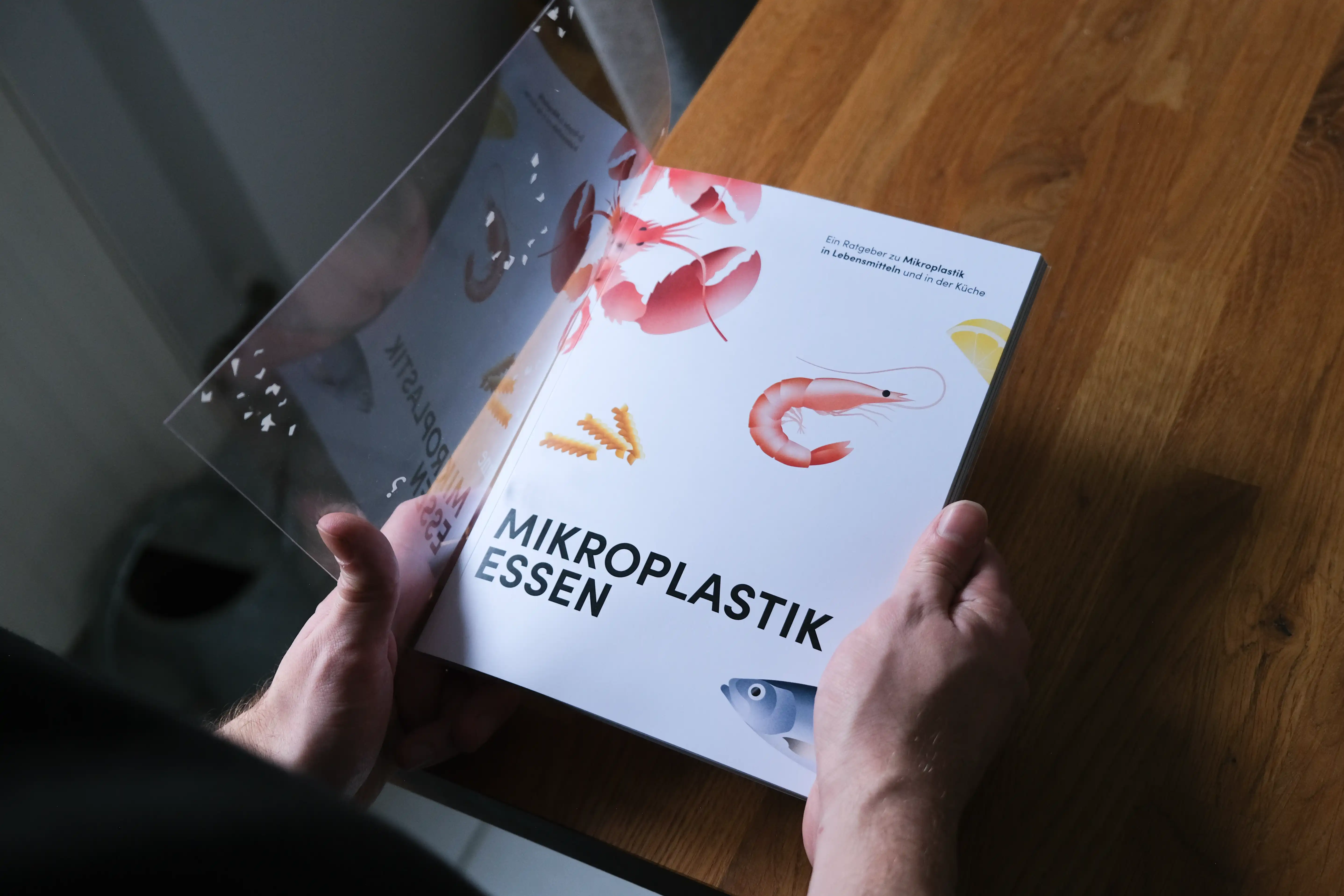
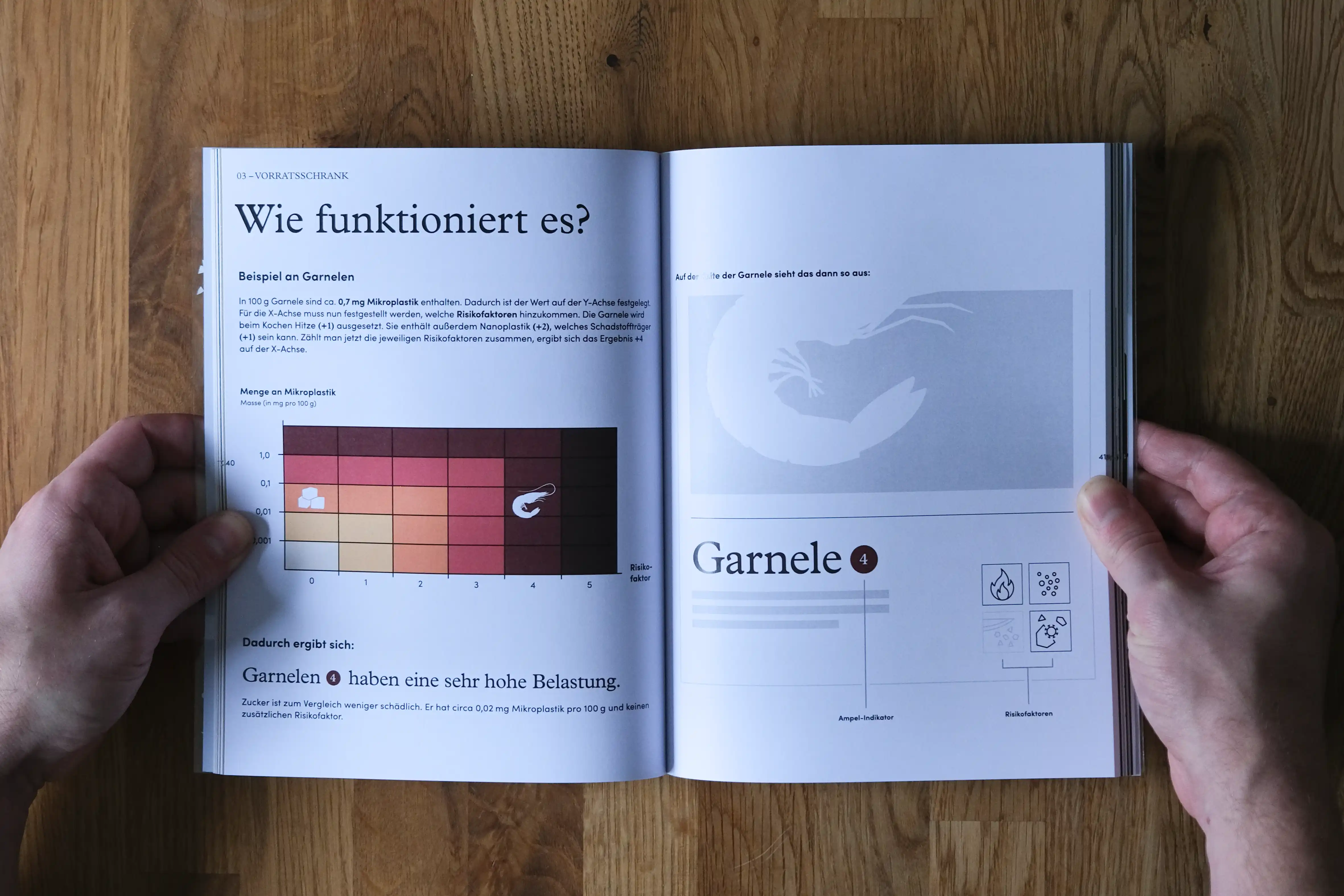
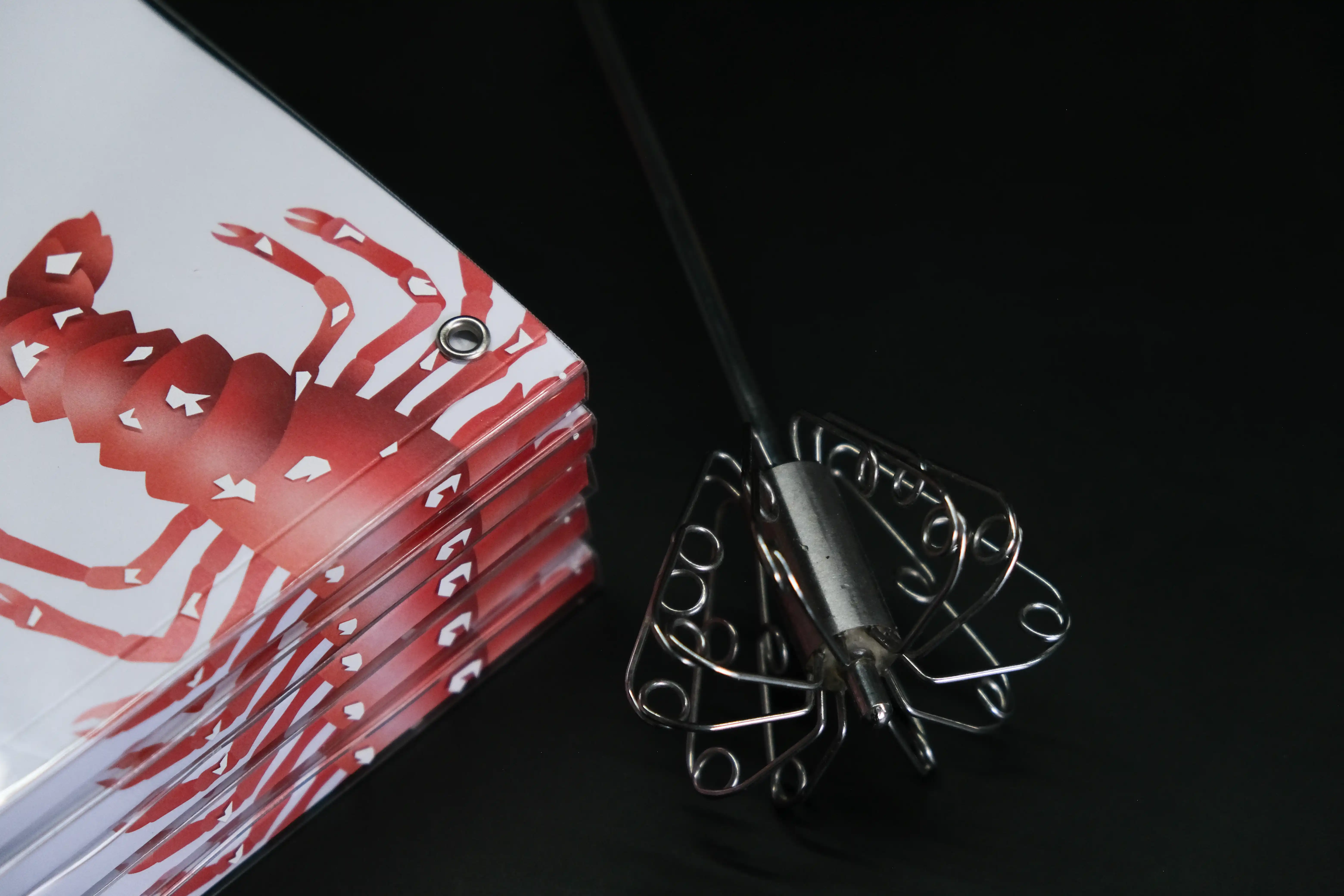
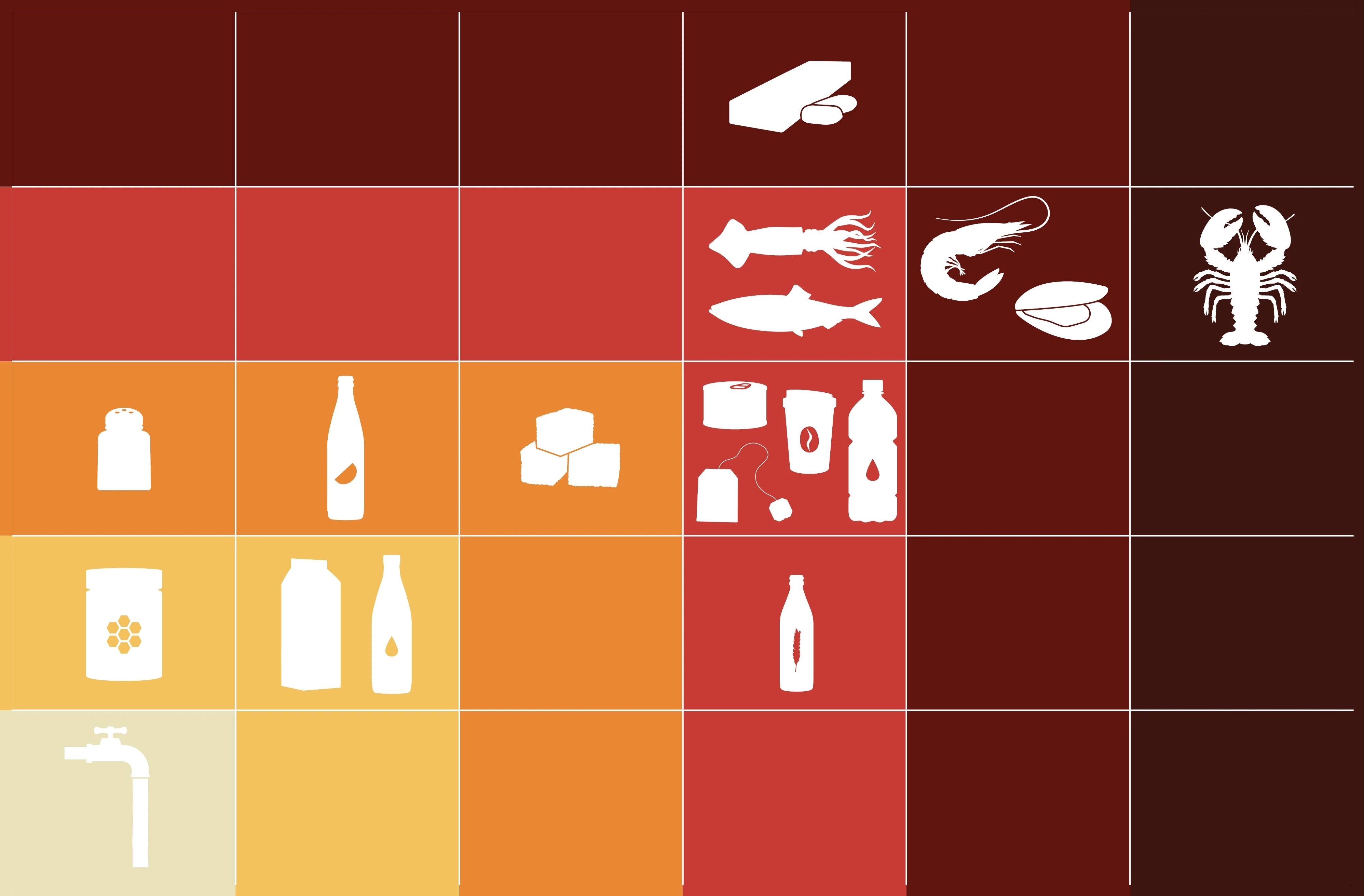

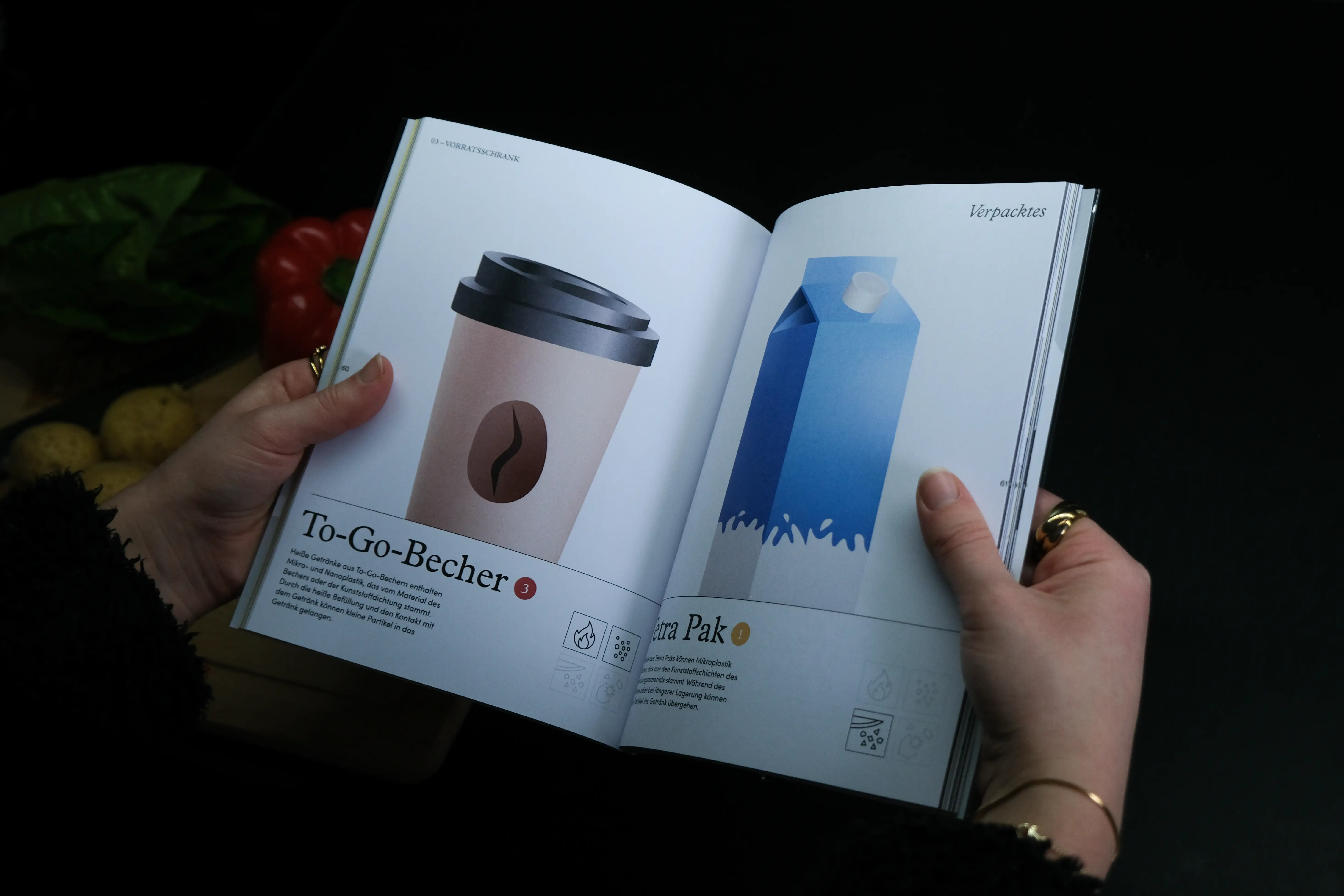
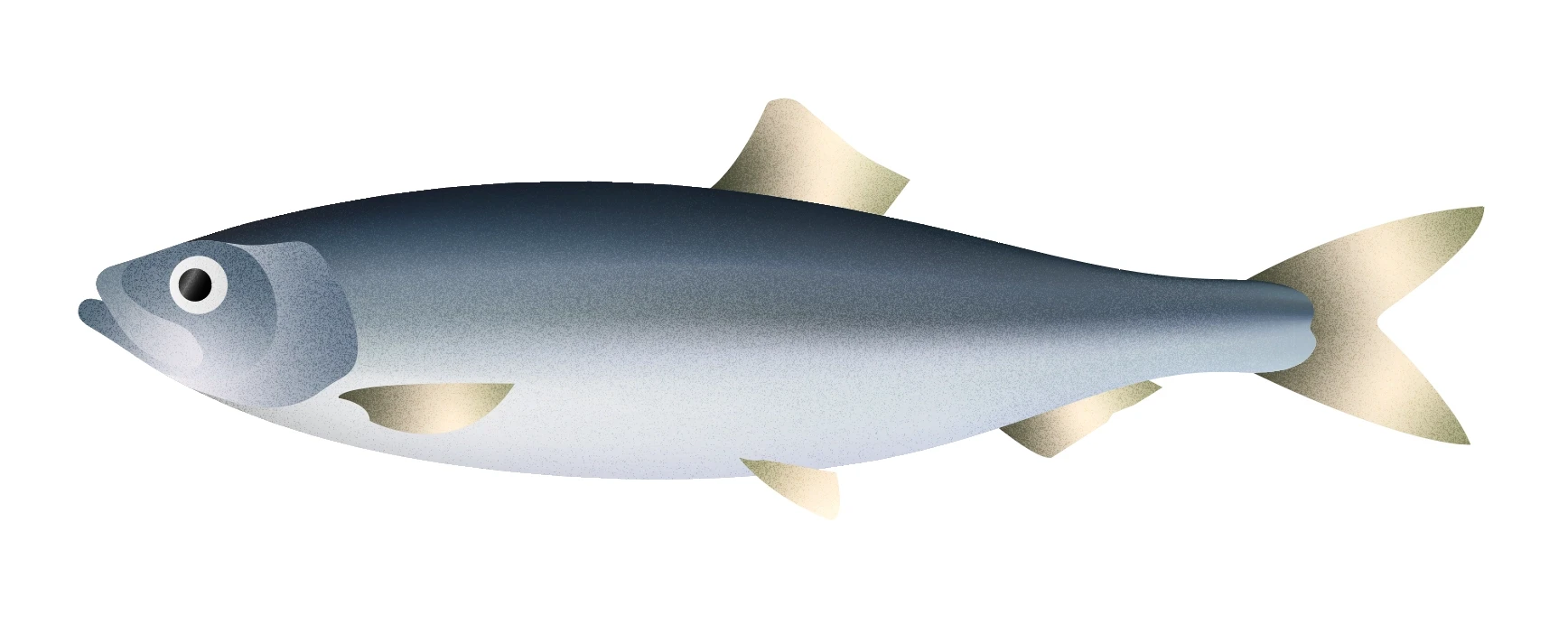
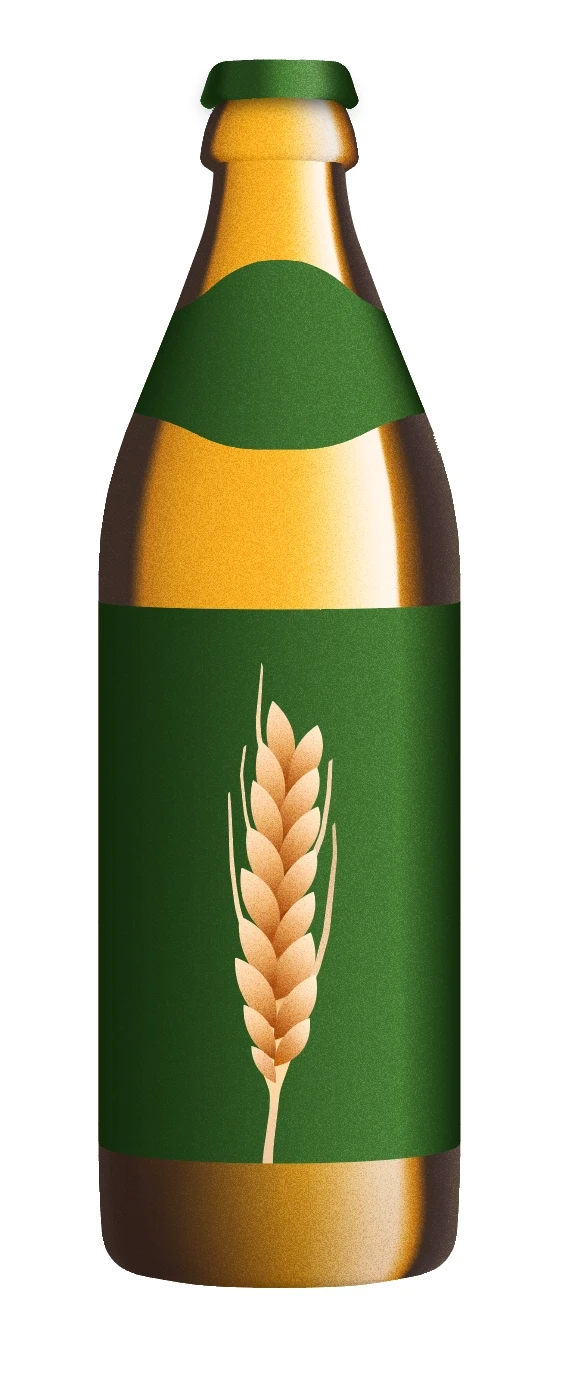
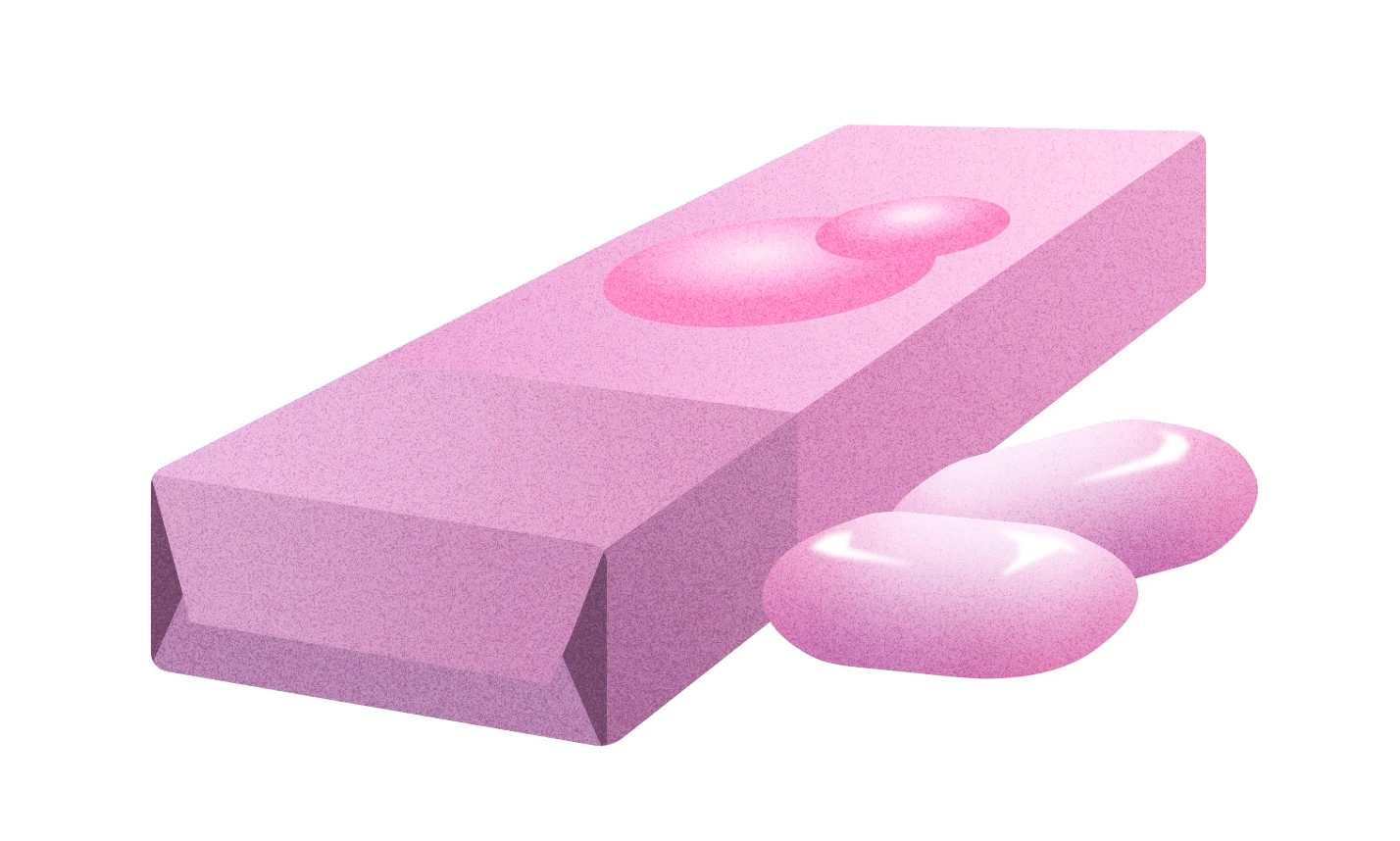
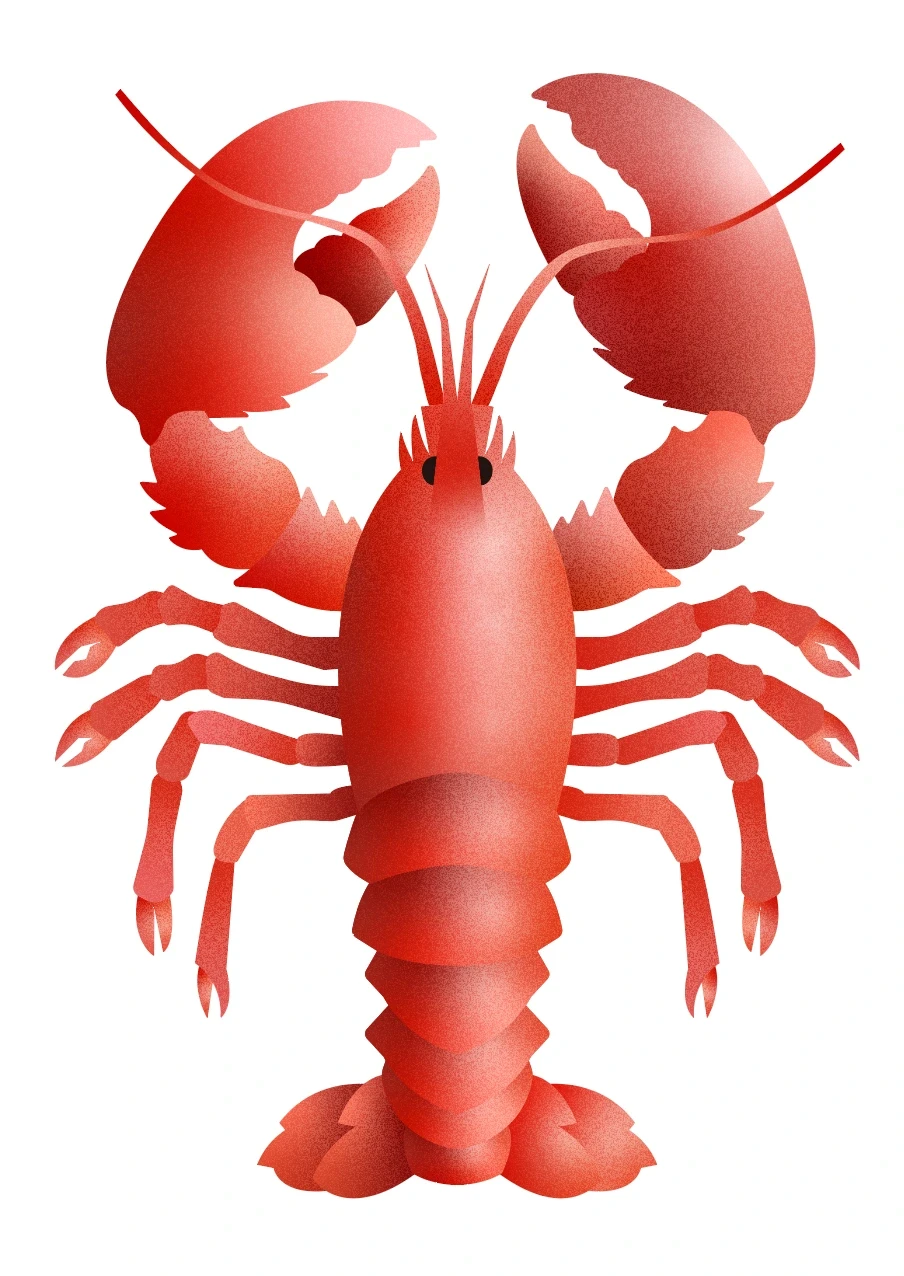
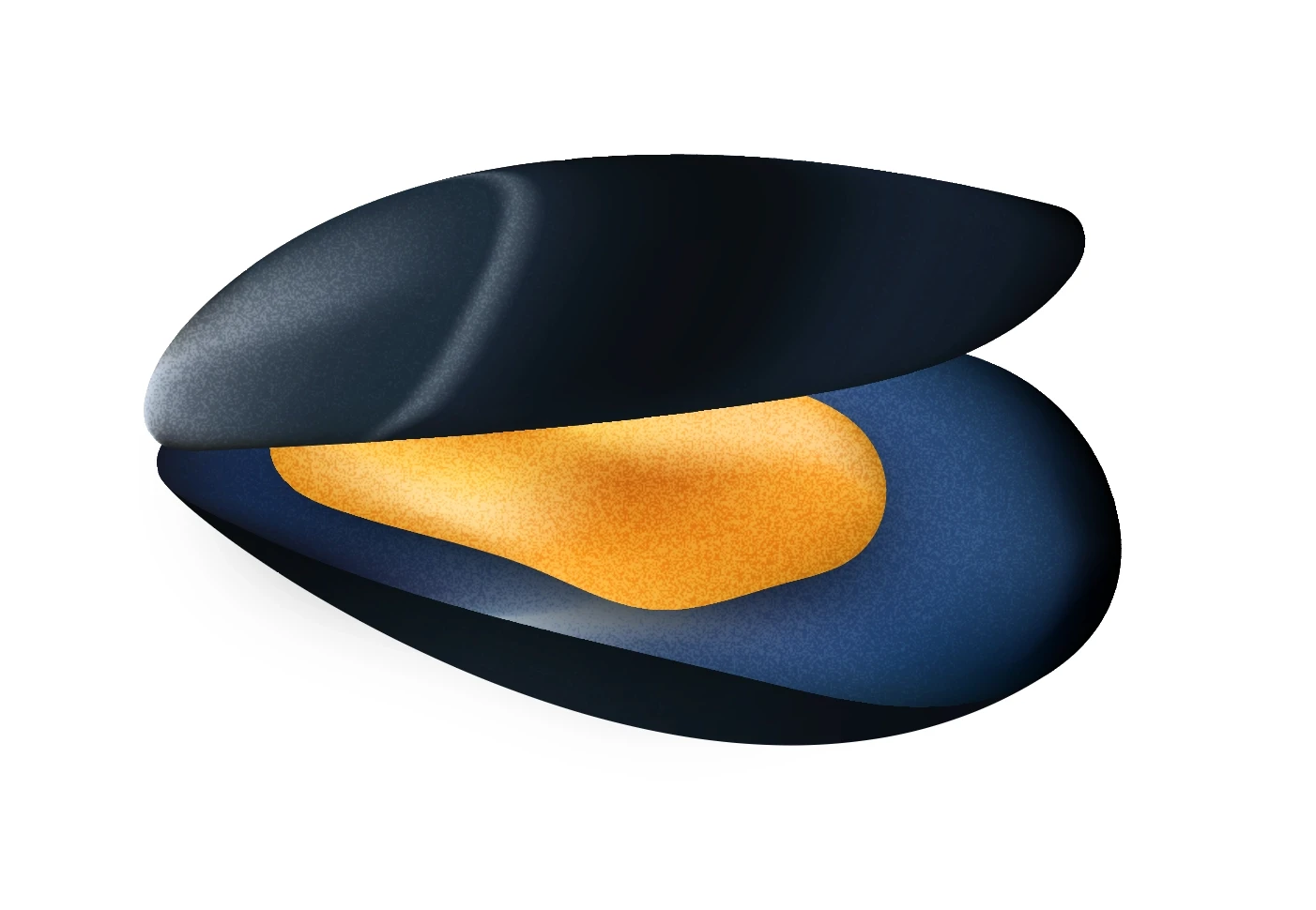
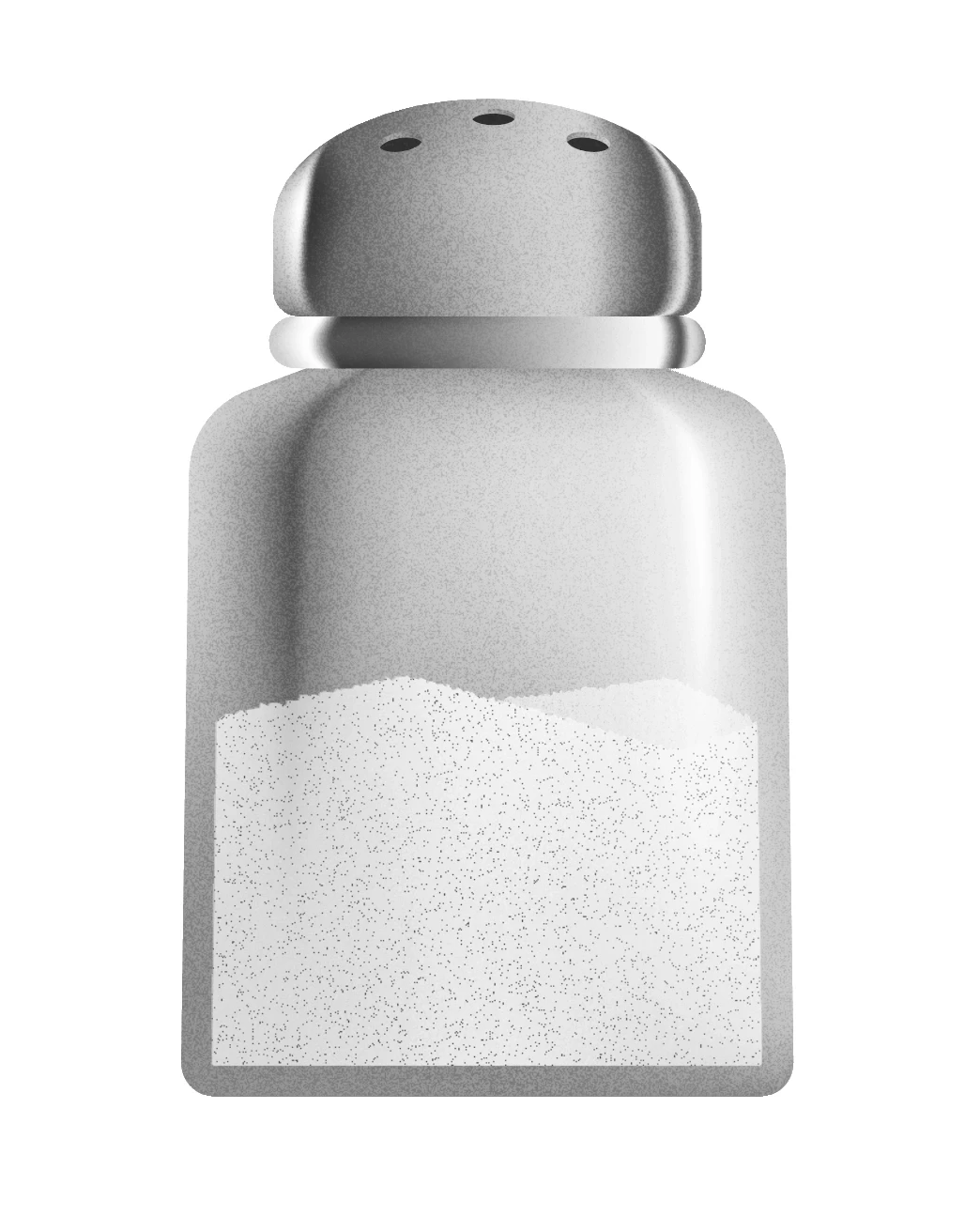
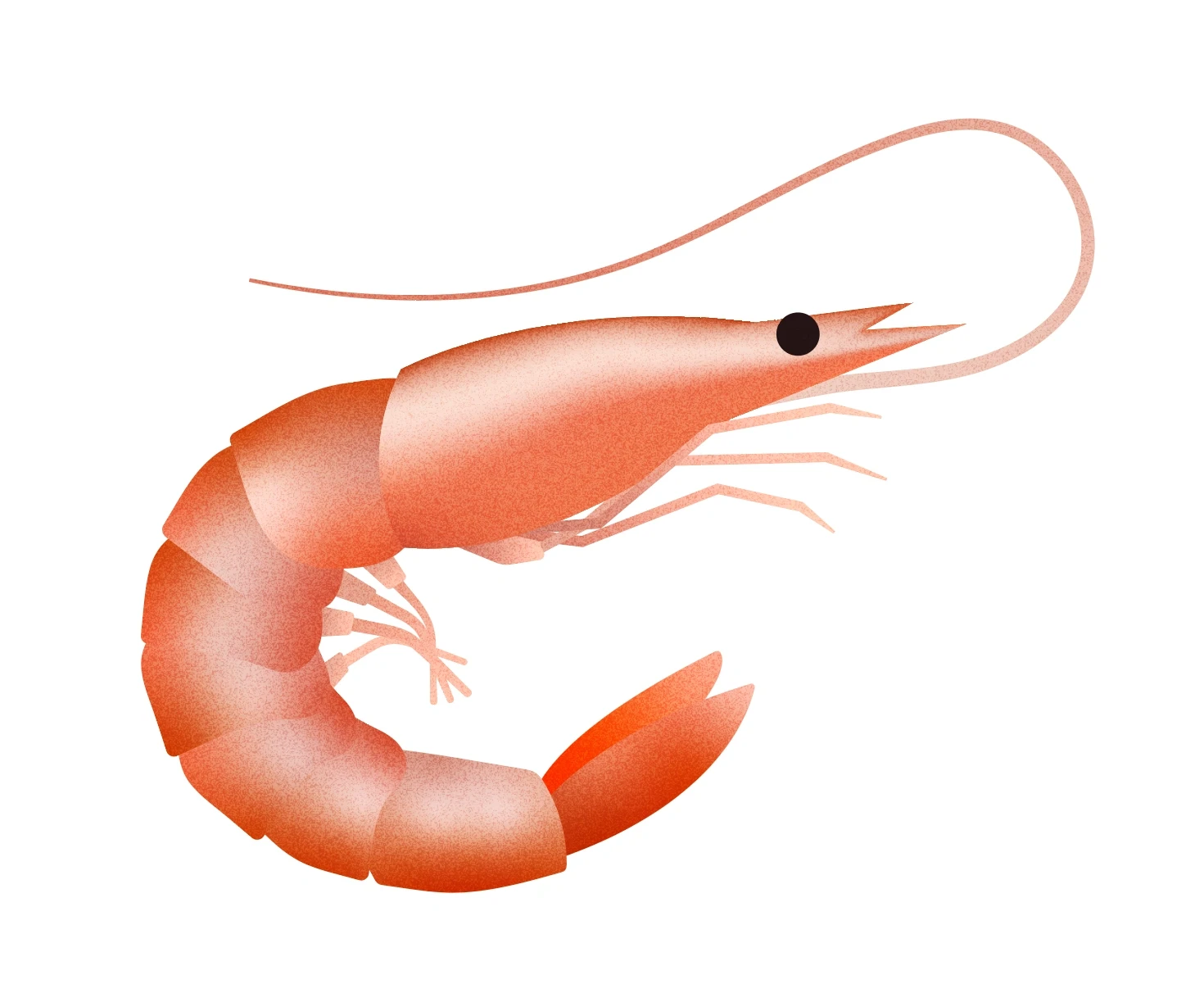

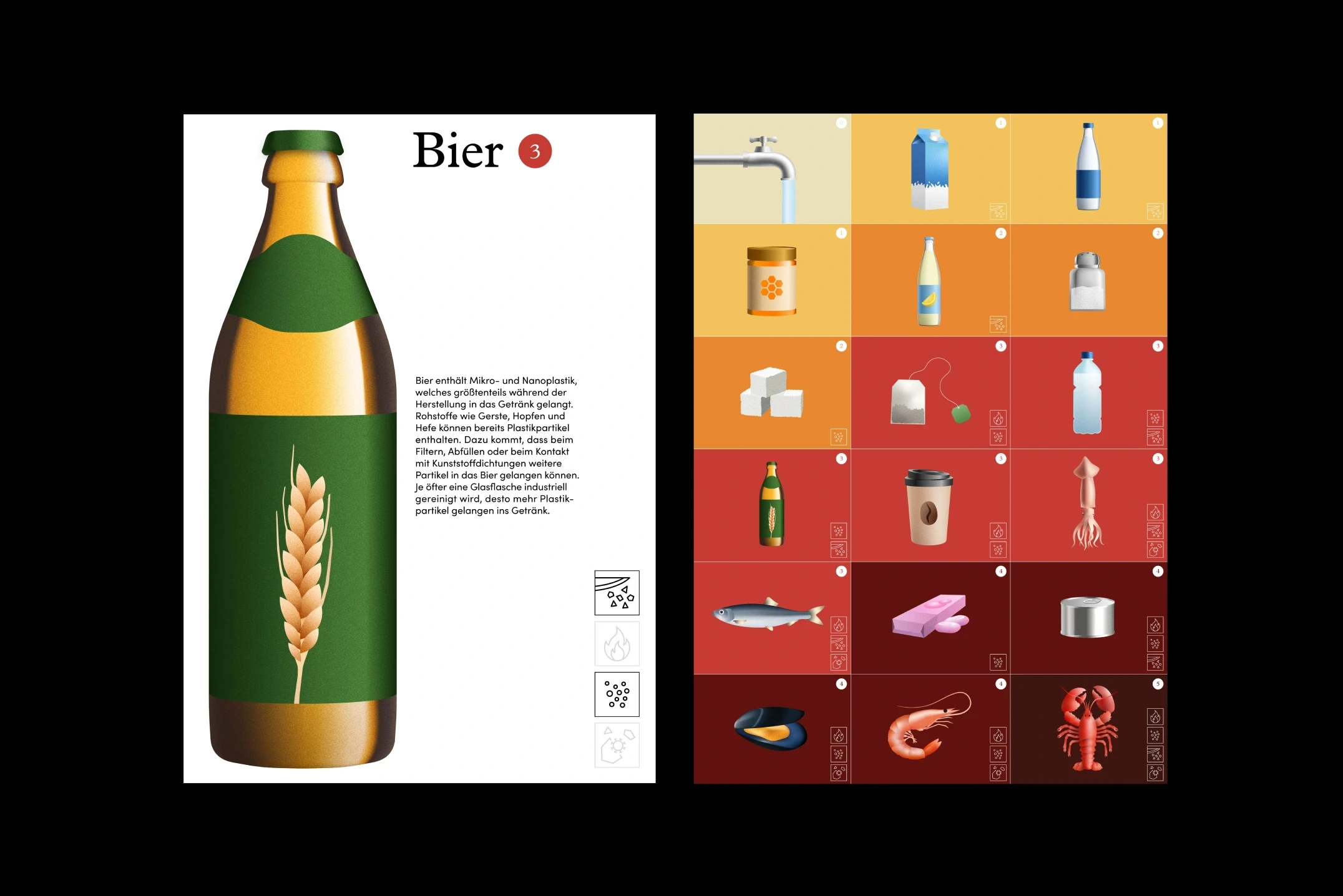
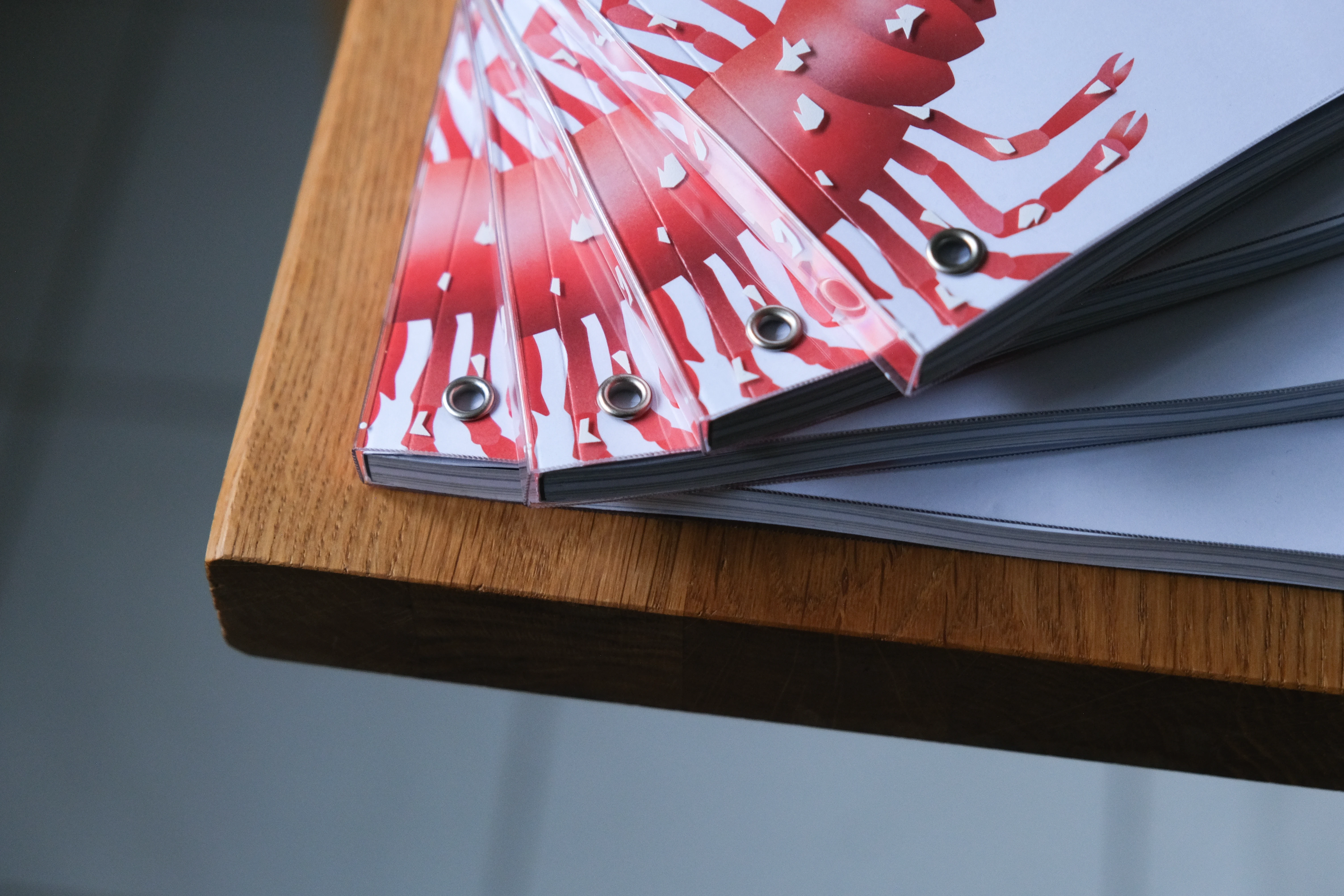
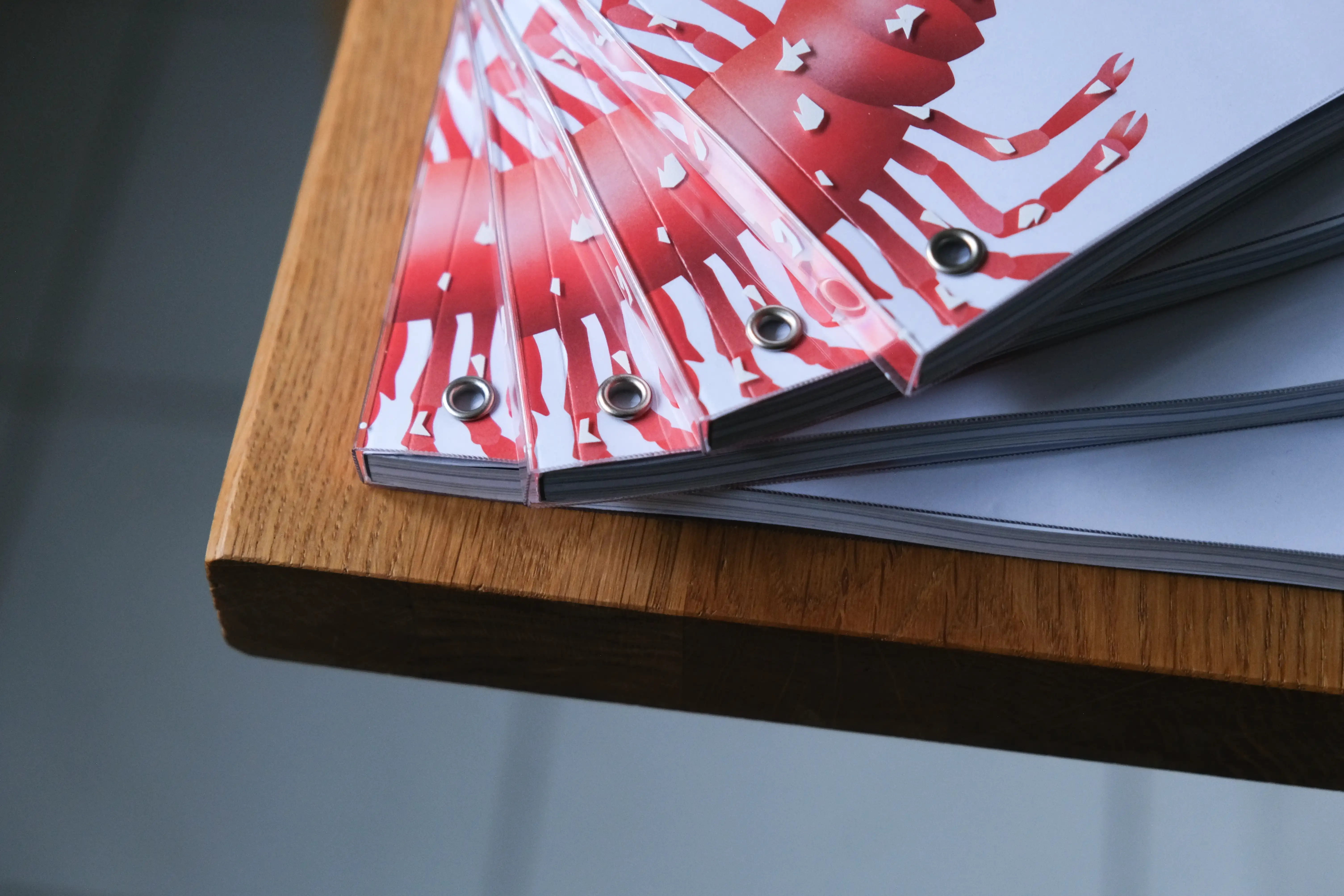
The book serves as a guide to microplastics in food and in the kitchen. It combines a clearly explained scientific basis with a detailed, everyday section. The scientific introduction allows for a clear understanding of the current status of research on the topic and why it is not always easy to investigate food for the amount of microplastics. After the necessary definitions of terms are explained, one reaches the next chapter, which highlights the most relevant foods and categorizes them using its own evaluation system. Kitchen utensils and packaging are also assessed regarding whether they release large amounts of micro- or nanoplastics. The chapters differ in design in that the everyday section appears more colorful and emotional than the scientific one, in which a more objective design approach can be found.

Eating without microplastics?
// Bachelor's Thesis Communication Design // Finn Sigg and Jan Lauer
Eating without microplastics? Almost impossible. Micro and nanoplastics have long been a permanent part of our diet - in food, packaging, and even in the kitchen. It's hard to avoid them. However, we can learn to deal with them consciously in our everyday lives.
The book serves as a guide to microplastics in food and in the kitchen. It combines a clearly explained scientific basis with a detailed, everyday section. The scientific introduction allows for a clear understanding of the current status of research on the topic and why it is not always easy to investigate food for the amount of microplastics. After the necessary definitions of terms are explained, one reaches the next chapter, which highlights the most relevant foods and categorizes them using its own evaluation system. Kitchen utensils and packaging are also assessed regarding whether they release large amounts of micro- or nanoplastics. The chapters differ in design in that the everyday section appears more colorful and emotional than the scientific one, in which a more objective design approach can be found.